Banjo: A Handmade Display Font for Creative Editorial Design
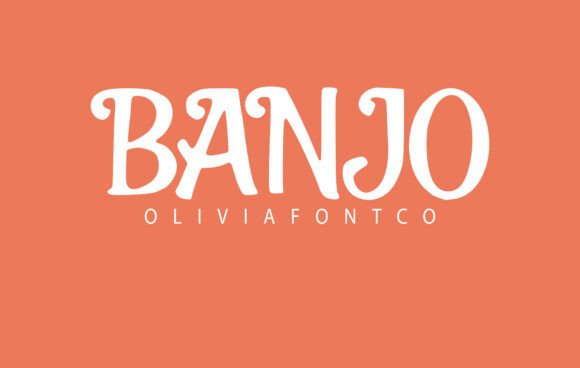
When I was redesigning the header for a lifestyle blog that focuses on slow living and creative hobbies, the typography felt too rigid to match the warm, inviting content. That is when I discovered Banjo, a font that immediately changed the visual rhythm of the entire project. This isn't just another decorative typeface; it is a fun and friendly handmade display font that strums with personality and charm. Designed with smooth curves and playful proportions, Banjo captures the carefree rhythm of creativity, making it an ideal choice for designers who want their headlines to feel human and approachable rather than corporate or sterile.
How Banjo Elevates Wedding Invitations and Elegant Branding
In the world of editorial design, setting the right mood from the very first word is essential, and Banjo excels at creating an atmosphere of warmth and celebration. When I tested this display font on a series of wedding invitation mockups, its handwritten quality added an immediate sense of intimacy that standard serif fonts often lack. The playful proportions allow the letters to breathe, making them perfect for names, dates, and elegant branding elements where you want to convey joy without sacrificing legibility.
For creators building digital magazines or printable planners, using Banjo as a primary headline creates a distinct publication identity. It works beautifully alongside a clean sans serif font for body copy, ensuring that while the titles are expressive and artistic, the information remains easy to scan. The font's ability to capture a carefree rhythm makes it particularly effective for lifestyle brands, boutique shops, and creative agencies looking to soften their visual language. By integrating Banjo into your brand assets, you signal to your audience that your content is curated with care and personal touch.
Banjo for Recipe Ebook Titles and Course PDF Headers
I recently applied Banjo to the chapter openers of a recipe ebook, and the difference in reader engagement was noticeable. Display fonts like this one are not meant for long paragraphs of text, but they shine brilliantly when used to break up dense content and guide the eye. The smooth curves of the characters prevent the page from feeling cluttered, allowing the imagery of the food to take center stage while the text adds a layer of storytelling.
- Visual Hierarchy: Use Banjo for main titles and section headers to create a clear distinction between content blocks.
- Emotional Connection: The handmade aesthetic invites readers to feel comfortable, which is crucial for instructional guides and coaching workbooks.
- Screen Readability: While excellent for screens, ensure you use sufficient contrast and size when displaying Banjo on mobile devices.
For course creators and digital product sellers, Banjo serves as a powerful tool for cover design and module headers. It transforms a standard PDF template into a branded experience that feels custom-made. However, it is important to remember that this is a display font, so it should be paired with a highly readable serif or sans serif typeface for any instructional text. Mixing these styles creates a balanced layout that is both visually striking and functionally clear.
Why Banjo Works Best for Newsletter Graphics and Social Media
In the fast-paced environment of social media and email marketing, capturing attention within seconds is critical. Banjo offers a unique visual hook that stands out against the uniformity of standard system fonts. I have seen great results using this creative font for newsletter graphics, Instagram story overlays, and promotional banners. Its charming character helps to humanize automated communications, making subscribers feel like they are receiving a note from a friend rather than a mass broadcast.
The versatility of Banjo extends to various commercial applications, provided you respect its design limitations. It is an excellent choice for logo design accents, packaging labels for artisanal products, and event posters. When selecting Banjo for these projects, consider the file formats included in the download package. Most premium font families offer multiple weights and stylistic alternates that can further refine your design. Always check the licensing terms to ensure you are covered for commercial use, especially if you are distributing paid newsletters or selling templates that include this typeface.
Banjo for Printable Planners and Workshop Materials
When designing printable planners or workshop worksheets, the goal is to make the process of organizing feel enjoyable rather than tedious. Banjo brings a sense of playfulness that encourages users to engage with their planning materials. I found that using it for the title of a "Weekly Goals" sheet or a "Creative Journal" cover instantly elevated the perceived value of the product. The font's friendly nature reduces the intimidation factor often associated with productivity tools.
However, not every editorial element requires such a bold voice. For small captions, fine print, or dense informational tables, Banjo may be too expressive and could compromise readability. In these cases, a more neutral font is necessary to maintain clarity. The key to successful editorial design lies in the balance between expression and utility. By reserving Banjo for high-impact areas like pull quotes, section dividers, and feature titles, you create a dynamic reading experience that guides the user through your content naturally.
Ultimately, Banjo is more than just a set of glyphs; it is a design asset that supports the emotional tone of your publication. Whether you are launching a new digital magazine, updating a blog's aesthetic, or creating a suite of educational materials, this font provides the rhythmic foundation needed to tell your story effectively. Its combination of smooth curves and playful proportions ensures that your designs remain modern yet timeless, resonating with audiences who value authenticity and charm in their daily reading.