Street Design: The Dynamic Graffiti Cartoon Font for Bold Campaigns
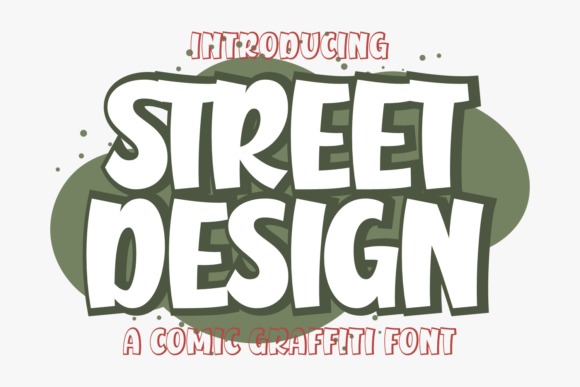
I was staring at a blank canvas for a seasonal streetwear drop, trying to balance the raw energy of the brand with the need for instant mobile readability. That is when I pulled Street Design into the mix. This isn't just another decorative typeface; it is a Graffiti Cartoon font that emanates versatility and visual appeal, perfectly primed to propel your branding project to the forefront of a crowded social feed. As a strategist who lives in the intersection of design and performance, I found that this Display font offers something rare: attitude without sacrificing clarity.
How Street Design Elevates Social Media Graphics and Instagram Posts
When you are building an Instagram content series or designing a carousel for a product teaser, the first three seconds determine whether a user stops scrolling. Street Design acts as a visual hook that commands attention immediately. Its chunky, cartoon-inspired letterforms create a playful yet edgy mood that resonates deeply with younger demographics and creative audiences. In my recent workflow testing a digital ad set for a local event, using this font for the main headline transformed a flat image into a dynamic poster. Unlike standard sans serif fonts that can feel sterile on promotional visuals, Street Design brings a sense of movement and personality that makes the message feel urgent and fun. It excels as a display font for short headlines, callouts, and campaign labels where space is limited but impact is required.
Optimizing Visual Hierarchy for Mobile Previews and Reels Covers
Mobile users scroll fast, and dense information gets ignored instantly. Street Design helps establish a clear visual hierarchy by making key phrases pop against busy backgrounds. I tested this font on various thumbnail sets for YouTube and found that its bold strokes maintain legibility even when scaled down to small screen sizes. Whether you are creating Reels covers or Pinterest pins, the unique curves of the letters prevent the text from blending into the background art. However, it is crucial to remember that this Fonts collection is best used for primary messaging rather than body copy. When paired with a clean sans serif font for captions, the contrast creates a professional look that feels curated rather than chaotic. The result is a branded template pack that looks consistent across every platform, reinforcing recognition without overwhelming the viewer.
Street Design for Product Launches and Online Shop Promotions
Launching a new online course or promoting a limited-time sale requires a tone that feels exclusive yet accessible. Street Design delivers exactly that vibe, bridging the gap between high-end editorial design and grassroots marketing. During a webinar banner setup, I used this font to highlight the event title, and the immediate reaction from the team was that the graphic felt "alive." The graffiti aesthetic suggests creativity and innovation, which is ideal for tech startups, fashion brands, or lifestyle influencers. It works exceptionally well for logo design elements where a custom touch is needed, or for packaging design mockups that aim to stand out on a shelf. By integrating this Display style into your brand identity, you signal that your business is modern, bold, and ready to engage.
Pairing Strategies for Modern Typography Systems and Web Design
A common mistake in campaign design is overusing decorative fonts, which can lead to a cluttered user experience. Street Design shines brightest when treated as the star of the show, supported by more neutral typefaces. For web design headers or landing page titles, I recommend pairing it with a simple, geometric sans serif font to ground the layout. If your brand leans towards a softer aesthetic, a delicate script font can complement the rough edges of the graffiti style, creating a balanced composition. This approach ensures that while the headline grabs attention, the supporting text remains readable. For commercial font licensing and client campaigns, having a robust file format with multiple weights allows you to adapt the style seamlessly from a massive billboard to a tiny email promotion footer. Always check the included styles and alternates to ensure you have enough variety to keep your long-term projects fresh.
When to Use Street Design for Branded Templates and Digital Ads
Not every message needs a graffiti twist, and knowing when to deploy Street Design is key to maintaining brand integrity. This font is perfect for energetic contexts like a flash sale announcement, a quote graphic for motivation, or a video intro sequence. However, for formal corporate communication or legal disclaimers, the playful nature might undermine the seriousness of the message. I advise reserving this Graffiti Cartoon font for moments where you want to evoke emotion, excitement, or youth culture. In email promotions, use it sparingly for the subject line or the main offer button to drive clicks. For digital ads, ensure there is sufficient contrast between the text color and the background, as the intricate details of the font can get lost if the lighting is too low. By strategically placing this font in your design assets, you create a cohesive narrative that guides the audience through your story.
Ensuring Readability Across Dark Backgrounds and Fast-Scrolling Feeds
One of the most critical aspects of using Street Design in real-world campaigns is ensuring it performs under different lighting conditions. I frequently test display fonts on dark mode interfaces and light backgrounds to verify legibility. The thick strokes of this typeface hold up well on dark backgrounds, providing excellent contrast, but may require a slight outline or shadow effect when placed over complex images. For fast-scrolling feeds, simplicity is power; avoid wrapping long sentences in this font. Instead, break your message into punchy lines that the eye can catch in a split second. Whether you are designing a content series or a branded template pack, always preview your work on actual mobile devices. The goal is to make sure that the dynamic power of Street Design translates clearly from your desktop monitor to the smallest smartphone screen, ensuring your message lands exactly as intended.