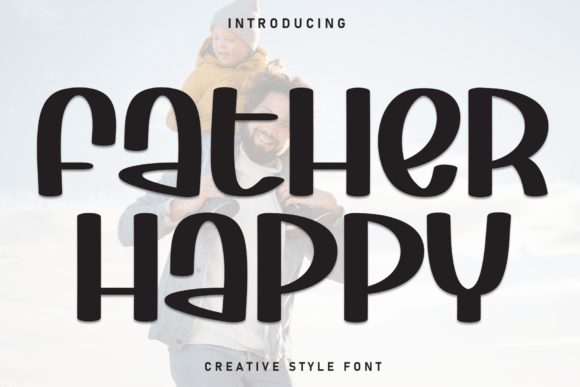
Father Happy: A Handwritten Display Font for Jovial Branding
I stared at the blank artboard, the cursor blinking in a void of white space. The client wanted a boutique bakery identity that felt warm, inviting, and undeniably sweet, but every serif font I tried looked too stiff, and every modern sans-serif felt too cold. That was when I decided to test Father Happy, an amiable handwritten display font described as oozing sweetness and friendliness. Within minutes of dragging it onto my logo draft, the entire mood of the project shifted from generic to genuinely delightful.
This review isn't just about technical specs; it is based on how this creative font actually performed when I pushed it through a realistic branding workflow, from packaging mockups to social media layouts. If you are looking for a typeface that adds a light-hearted and jovial touch to your designs, here is what happens when you put Father Happy to work.
Father Happy for Bakery Packaging and Product Labels
When I first placed Father Happy on a mockup for a local artisanal cookie brand, the result was immediate and charming. Unlike rigid geometric fonts, this handwritten display font seemed to breathe life into the cardboard texture of the packaging design. The curves of the letters mimicked the hand-stamped feel of a family recipe card, which is exactly the kind of authenticity that food brands crave today.
In a crowded market, visual hierarchy matters immensely. Using Father Happy as the primary headline font allowed the product name to pop with personality while maintaining legibility. However, I noticed that for smaller text, like ingredients lists or nutritional facts, this display font needs support. Pairing it with a clean, neutral sans serif font ensured that the fun didn't compromise readability. For short phrases like "Freshly Baked" or "Made with Love," the font shines, turning simple labels into memorable brand assets that customers want to photograph and share.
Father Happy for Social Media Graphics and Instagram Posts
Social media demands attention within seconds, and Father Happy delivers that impact effortlessly. During a test run for a handmade shop's Instagram feed, I used this font to create quote graphics and promotional banners. The font's natural variation in stroke width gave the images a dynamic, organic look that stood out against the flat, corporate aesthetic of many competitor posts.
The "light-hearted and jovial" description in the product details is not marketing fluff; it translates perfectly to digital engagement. When designing story highlights or carousel covers, the friendly vibe of Father Happy encourages users to stop scrolling. It works best as a decorative font for titles or accents rather than body copy. For instance, using it for the main hook of a post, then switching to a simple serif font for the caption, created a balanced layout that felt both professional and approachable. This combination helps maintain a consistent brand voice across different platforms without looking messy.
Father Happy for Logo Design and Creative Studio Identity
Logo design requires a delicate balance between uniqueness and timelessness, and testing Father Happy revealed its strengths as a display font for specific niches. I applied it to a concept for a creative studio specializing in children's content and craft workshops. The font's amiable character immediately signaled that the brand was safe, fun, and human-centric.
One of the critical aspects of using any creative font in a logo is scalability. While Father Happy looks fantastic on a large storefront sign or a website header, I had to be careful when shrinking it down for favicons or app icons. At very small sizes, the intricate details of the handwritten strokes can blur. Therefore, I recommend using this font primarily for the logotype itself or as a supporting element alongside a more geometric icon. For a full brand identity system, pairing it with a sturdy sans serif font provides the structural backbone needed for business cards and letterheads, ensuring the brand remains readable even when the personality takes a back seat.
Father Happy for Website Headers and Editorial Design
Moving beyond print, I integrated Father Happy into a web design project for a lifestyle blog. As a headline font, it added an instant layer of warmth to the homepage hero section. The font's unique shapes guide the eye naturally, making the content feel less like a wall of text and more like a conversation. In editorial design, such as magazine layouts or newsletters, this typeface serves as an excellent tool for breaking up long-form content.
However, it is crucial to understand where this font should not go. Because Father Happy is a display font designed for impact, it is generally unsuitable for long paragraphs of body text. Trying to read a 500-word article set entirely in this handwriting style would be fatiguing and counterproductive. Instead, use it sparingly for pull quotes, chapter headings, or call-to-action buttons. By limiting its use to short phrases and key messages, you preserve its novelty and ensure it continues to add value to the user experience without overwhelming the reader.
Father Happy for Commercial Licensing and File Formats
Before finalizing any client project, I always verify the technical details and licensing terms. The package for Father Happy includes multiple styles and alternates, which gives designers the flexibility to tweak the tone of the text slightly. Whether you need standard characters or playful swashes, having these options within the same file format streamlines the design process significantly.
For commercial font usage, especially in brand identity or merchandise, checking the license is non-negotiable. Most high-quality display fonts come with specific rules regarding how they can be used in logos, websites, and physical products. Ensuring you have the correct commercial license protects both you and your clients from legal issues. Additionally, if you plan to use this font on a live website, confirm that webfont files (like WOFF or WOFF2) are included in the download to ensure proper rendering across all browsers.
Ultimately, Father Happy is more than just a collection of letters; it is a tool for injecting emotion into your work. Whether you are refreshing a café visual identity, designing packaging for a skincare line, or creating a logo for a local restaurant, this font offers the perfect blend of charm and functionality. By understanding its limitations and leveraging its strengths, you can create designs that resonate with audiences on a personal level.