Retro Design: The Bold Display Font for Modern Editorial Projects
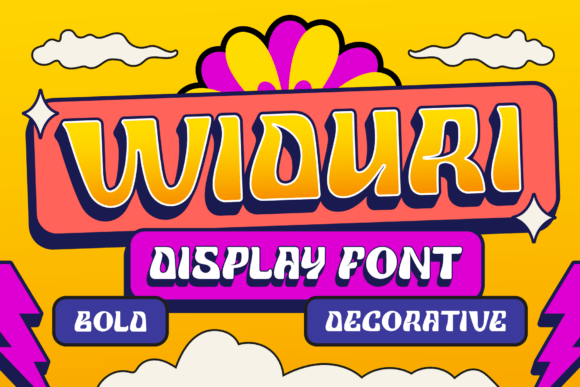
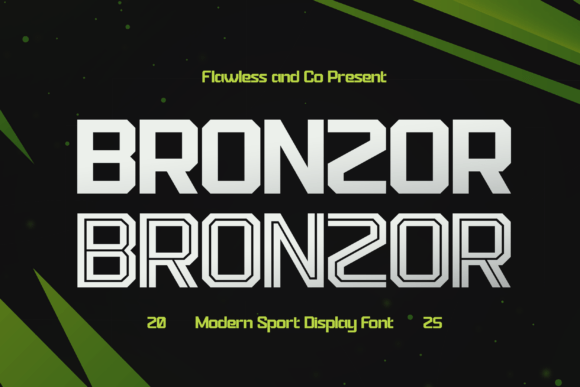
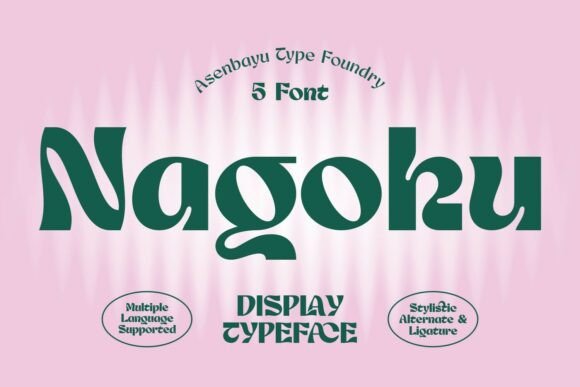
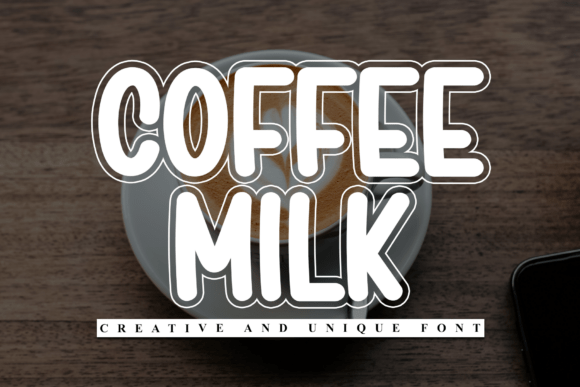
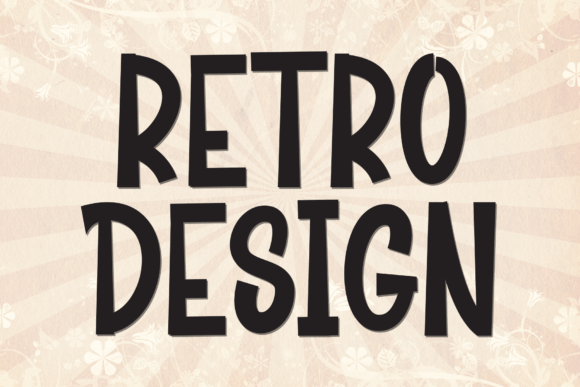
I remember the exact moment I needed a new typeface for my latest lifestyle blog redesign. The previous header was clean but lacked character, failing to capture the warm, nostalgic vibe I wanted for my readers. While scrolling through my library of Fonts, I stumbled upon Retro Design. It is a bold and quirky display font that brings vintage flair with a modern twist. With thick strokes and playful proportions, it captures the charm of old-school poster fonts while staying perfectly legible on digital screens. That single discovery shifted my entire approach to editorial design, turning a standard layout into a memorable visual experience.
Retro Design for Lifestyle Blog Headers and Feature Pages
When I first applied Retro Design to my blog headers, the transformation was immediate and striking. This Display typeface excels at commanding attention without overwhelming the content beneath it. Its thick strokes create a strong visual anchor, making article titles pop against white backgrounds or soft pastel images. For a lifestyle brand, establishing a unique identity is crucial, and using a creative font like this helps define your publication's personality instantly. Unlike generic sans serif options, Retro Design adds a layer of storytelling before the reader even opens an article. Whether you are designing a newsletter graphic or a feature page, the playful proportions ensure that your headlines feel inviting rather than intimidating.
Using Retro Design in Ebook Covers and Chapter Openers
Creating a digital product often requires a balance between professional polish and artistic flair. When I designed a recipe ebook, I needed a title font that felt homemade yet polished enough for a commercial download. Retro Design provided the perfect solution as a premium display font for cover text. The vintage aesthetic evokes the feeling of classic cookbooks, which resonates deeply with food enthusiasts. Beyond the cover, I used the same typeface for chapter openers to maintain consistency throughout the document. The font's distinct rhythm guides the eye down the page, creating a cohesive narrative flow that keeps readers engaged from the introduction to the final recipe.
Retro Design for Wedding Guides and Elegant Branding
Beyond digital blogs, I tested Retro Design on a wedding guide project for a local event planner. The client wanted something that felt timeless but not overly traditional. The font's ability to blend old-school poster aesthetics with modern typography made it ideal for this niche. When paired with elegant script fonts for names and details, Retro Design serves as a robust structural element that grounds the design. It works beautifully for section headings in printable planners or course PDFs where clear hierarchy is essential. By choosing a font that carries historical weight, the branding feels established and trustworthy, which is vital for high-ticket services like weddings or coaching workbooks.
Applying Retro Design to Printable Planners and Worksheets
In the world of digital downloads, usability is just as important as aesthetics. I found that Retro Design holds up remarkably well when exported to PDF for printables. The thick strokes ensure that the text remains crisp even when printed on smaller paper sizes or viewed on mobile devices. For a coaching workbook, I used the font for pull quotes and key takeaways. These elements stand out visually, encouraging readers to pause and reflect on the material. Because the font is classified as a Display type, it is best reserved for short bursts of text rather than long paragraphs. However, its clarity makes it perfect for labels, bullet points, and instructional steps within a worksheet layout.
Retro Design for Digital Magazine Layouts and Social Graphics
Modern digital magazines require a dynamic look that stands out in crowded social media feeds. When I redesigned a digital magazine layout, Retro Design became the cornerstone of the visual identity. Its quirky nature allows for creative experimentation with kerning and alignment, adding a touch of editorial whimsy. For social media graphics, the font's bold presence ensures that headlines are readable even at small thumbnail sizes. Whether you are promoting a paid newsletter or showcasing a new collection, this creative font helps your brand cut through the noise. The vintage flair adds a sense of authenticity that many modern audiences crave, distinguishing your content from generic templates.
Pairing Retro Design with Readable Body Text
One of the most critical aspects of editorial design is ensuring that the headline does not compete with the body copy. I successfully paired Retro Design with a clean, understated serif font for the main article text. This combination creates a sophisticated contrast: the display font grabs attention, while the serif font facilitates comfortable reading. For captions and navigation menus, a simple sans serif font worked well to maintain a neutral tone. This strategic font pairing enhances readability and supports visual hierarchy, allowing the user to navigate the content effortlessly. When selecting a companion font, it is important to choose one that complements the thickness of Retro Design without clashing with its decorative curves.
Practical Considerations for Commercial Font Licensing
Before integrating Retro Design into any client publication or commercial product, I always review the licensing terms carefully. Most premium fonts come with specific guidelines regarding how they can be used in ebooks, templates, and digital downloads. Checking for included styles, alternates, and ligatures is also essential to maximize the font's potential. Multilingual support can be a deciding factor if your audience spans different regions. Fortunately, the file formats provided are versatile, supporting both screen display and high-resolution print output. By understanding these technical details, designers can avoid legal pitfalls and ensure their projects remain professional and compliant.
The Impact of Typography on Reader Engagement
Ultimately, the choice of a typeface influences how an audience perceives and interacts with content. Using Retro Design transformed my approach to building better reading experiences by injecting personality into every layout. It proves that thoughtful font selection is not just about decoration; it is about communication. Whether you are a blogger, publisher, or independent creator, having a reliable commercial font like this in your toolkit elevates your work. The vintage charm combined with modern functionality makes it a valuable asset for anyone looking to create lasting impressions through design.